Cross with a Dove: A Designer’s Review for Craft Fairs
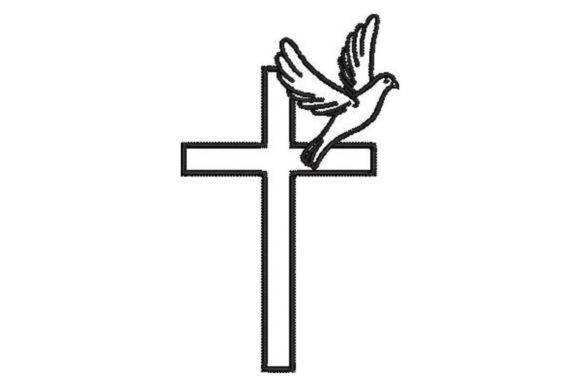
As an embroidery designer who has spent countless weekends behind a booth table, I have learned that not every design translates well from the screen to the sales floor. When I first loaded the Cross with a Dove machine embroidery design into my software, I was looking for more than just aesthetic appeal. I was evaluating its potential as a high-converting craft fair product. This piece falls squarely into the Religion category, yet its application extends far beyond traditional church decor. It is a particular and special design that will look astonishing on pillows, blankets, or even on clothing. For the handmade shop owner or Etsy seller, understanding how this specific motif performs in real-world scenarios is crucial for maximizing return on investment.
First Impressions and Market Appeal
The immediate visual impact of Cross with a Dove is one of serene elegance. It does not scream for attention with neon brightness or chaotic lines; instead, it invites a closer look. In the context of a busy craft fair, where customers are bombarded with visual noise, this design offers a moment of calm. It feels premium and thoughtful, leaning towards a modern rustic or soft farmhouse aesthetic depending on the thread colors chosen. For boutique makers, this versatility is invaluable. The imagery of the dove paired with the cross is universally recognized within the Christian faith, making it an instant connector for a specific demographic of buyers who value spiritual symbolism in their home decor and personal accessories.
When considering this as a small shop product, the emotional resonance is key. Buyers at handmade markets are often looking for gifts that carry meaning. A tote bag or apron featuring this design is not just a utility item; it becomes a statement of faith and values. This emotional connection drives higher perceived value, allowing you to price your finished product competitively while maintaining healthy margins.
Product Applications and Versatility
The description notes that this machine embroidery design comes with multiple embroidery file formats and can be used with mu, which suggests broad compatibility. However, the true test lies in substrate selection. Here is how Cross with a Dove performs across various popular craft fair items:
- Tote Bag Design: This is perhaps the strongest contender. A canvas tote provides a flat, stable surface that showcases the details of the dove’s wings and the cross structure without distortion. It is a practical, everyday item that serves as a walking advertisement for your brand.
- Apron Embroidery: For those targeting the kitchenware market, an apron with this motif adds a touch of grace to cooking and hosting. It appeals to buyers who enjoy entertaining and want their kitchen textiles to reflect their beliefs.
- Tea Towel Embroidery: While beautiful, tea towels present a challenge due to fabric texture. The loops of terry cloth can obscure fine details. If you choose this route, ensure the stitch density is appropriate for textured fabrics, or opt for a smoother linen towel for better clarity.
- Embroidered Patch: Creating iron-on or sew-on patches allows customers to customize their own jackets or bags. This design scales well for patches, provided the smallest details of the dove are not lost in the satin stitching.
- Pillow Covers: As mentioned in the product description, this design looks astonishing on pillows. A neutral-toned pillow cover with this central motif becomes a focal point in a living room, appealing to buyers looking for subtle religious decor.
Production Practicalities for the Busy Maker
For the creative entrepreneur, time is money. Batch production is essential for keeping up with demand during peak seasons like Easter or Christmas. Cross with a Dove appears to be designed with efficiency in mind. The lines are clean, suggesting that it does not require excessive thread trims or complex color changes that slow down the machine. However, before committing to a large run, you must address several technical considerations.
First, check the stitch density. If the design is too dense, it may cause puckering on lighter fabrics like cotton tees or thin tote bags. Conversely, if it is too sparse, the backing fabric might show through, especially on dark materials. Always test the design on scrap fabric that matches your final product material. This step is non-negotiable for maintaining professional quality.
Second, consider the hoop size. Ensure that the digital embroidery file fits comfortably within your standard hoops without requiring excessive re-hooping, which introduces alignment errors. For caps, the curved surface requires careful placement. The design should be centered and scaled so that the dove does not appear distorted by the cap’s curvature.
Visual Appeal and Photography Tips
In the digital age, your booth is only half the battle. Your online presence, particularly for Etsy sellers, relies heavily on photography. Cross with a Dove photographs beautifully because of its symbolic clarity. When creating a printable mockup or staging real photos, use natural light to highlight the sheen of the thread against the fabric. Contrast is your friend here; a white or cream thread on a navy or charcoal fabric creates a striking, modern look that stands out in thumbnail images.
Ensure that the design assets you use for marketing accurately represent the finished product. Do not over-edit the photos to hide imperfections. Customers appreciate transparency, and showing the actual texture of the embroidery builds trust. Highlight the craftsmanship in your captions, mentioning the quality of the stabilizer used and the precision of the stitch work.
Designer Notes for Best Results
To ensure your commercial embroidery products meet the highest standards, follow these practical steps:
- Test Thread Contrast: Experiment with monochromatic schemes for a subtle, elegant look, or use contrasting colors to make the dove pop. Avoid clashing colors that detract from the spiritual message.
- Review Spacing: Check the spacing between the cross and the dove. They should feel connected but not crowded. Adjust if necessary using your embroidery software.
- Use the Right Stabilizer: For stretchy fabrics like jersey tees, use a cut-away stabilizer. For woven fabrics like canvas or linen, a tear-away may suffice, but always prioritize stability to prevent puckering.
- Confirm Commercial Licensing: Before selling any finished product, verify the license terms associated with the digital embroidery file. Ensure you have the right to sell physical items made with this design.
- Create Real Mockups: Do not rely solely on digital previews. Stitch out at least one sample on each type of fabric you plan to sell. This helps you identify any issues with thread breaks or tension before you invest in bulk materials.
In conclusion, Cross with a Dove is a versatile and meaningful addition to any embroidery designer’s portfolio. It bridges the gap between traditional religious symbolism and modern handmade aesthetics. By carefully selecting your substrates, optimizing your production process, and presenting the design with professional photography, you can create a best-selling craft fair product that resonates with customers on a deep, personal level. Whether it adorns a simple tea towel or a premium pillow cover, this design carries a weight of quality and faith that today’s conscious consumers are eager to support.