Dachshund Walking Through Bluebonnets: A Designer’s Review
As an embroidery designer who has spent years digitizing artwork for small businesses, I approach every new machine embroidery design with a critical eye. It is not enough for a motif to be cute; it must be functional, scalable, and commercially viable. When I first loaded the Dachshund Walking Through Bluebonnets file into my software, my immediate impression was one of charming nostalgia mixed with professional versatility. This piece does not scream loud or aggressive branding. Instead, it offers a friendly, rustic elegance that fits perfectly within the current trend of handmade authenticity.
For boutique owners, Etsy sellers, and local creative studios, this design bridges the gap between playful pet love and refined aesthetic appeal. The subject matter places it firmly in the popular Dogs category, but the inclusion of bluebonnets adds a regional or seasonal flair that can elevate standard merchandise. In this review, I will evaluate how this digital embroidery file performs in real-world business applications, from staff uniforms to high-end customer gifts.
Visual Personality and Brand Fit
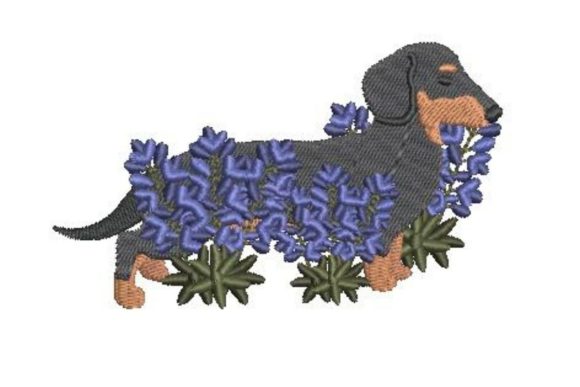
The first thing you notice about Dachshund Walking Through Bluebonnets is its balanced composition. It feels decorative yet structured. For brands aiming to project warmth, community involvement, or a love for nature, this design is a strong asset. It works exceptionally well for pet brands, florists, bakeries, and lifestyle boutiques. The imagery suggests a slow, appreciative pace, which aligns beautifully with businesses that value craftsmanship and personal connection.
When considering brand identity, consistency is key. This design avoids overly complex shading that might look muddy when stitched out. Instead, it relies on clear shapes and distinct color blocks. This makes it easier to maintain visual consistency across different products. Whether you are creating a logo accent for a tote bag or a central motif for a throw pillow, the design retains its legibility. It feels premium without being stiff, offering a handmade product vibe that customers increasingly seek out in a mass-produced world.
Real-World Business Applications
The true test of any embroidery file is its performance on actual goods. Here is how I envision this design working for various small business merch items:
- Embroidered Patches: This is perhaps the strongest use case. The contained shape of the dachshund and flowers lends itself well to a merrowed edge patch. These can be sold as standalone accessories or used to brand packaging.
- Apron Embroidery: For cafes, florists, or craft studios, placing this design on the chest pocket of a canvas apron adds instant personality. It serves as a conversation starter and reinforces a friendly service atmosphere.
- Tote Bag Design: A centered placement on a natural cotton tote creates a high-value item. The blue and green tones of the bluebonnets contrast nicely against neutral fabrics, making the finished product visually striking.
- Cap Embroidery: While possible, this requires careful scaling. The width of the dachshund may need adjustment to fit standard cap fronts without distorting the proportions.
- Custom Apparel: Use it as a sleeve detail on work shirts or a small chest logo on polo shirts for staff. It is subtle enough for daily wear but distinctive enough to aid in brand recognition.
For event merch or customer gifts, this design adds a layer of thoughtfulness. It transforms a generic item into a keepsake. When used in commercial embroidery projects, it helps differentiate your offerings from competitors who rely on standard clip art.
Technical Considerations and Constraints
While the design is visually appealing, practical application requires attention to technical details. As a designer, I advise caution in specific scenarios to ensure quality control.
Stitch Density and Fabric Texture: If the design has high stitch density in the flower areas, it may cause puckering on lightweight fabrics like thin t-shirts or silk blends. Always test on a scrap piece of your intended material. For textured fabric like terry cloth or heavy canvas, ensure the underlay stitches are sufficient to anchor the design properly.
Small Patch Sizes: When scaling down for tiny labels or small patches, fine details in the bluebonnet petals may merge. I recommend simplifying the color palette or increasing the size if the minimum dimension drops below two inches. Legibility is crucial for maintaining professionalism.
Dark Uniforms: The blue and green thread colors specified in the default palette may not pop against navy or black uniforms. You may need to adjust the thread chart to include lighter shades or add a white underlay to ensure contrast. Always check if the design includes a satin border or fill that can handle dark backgrounds without losing definition.
Curved Surfaces: Embroidering on curved surfaces like caps or mugs requires precise hooping. Ensure the design center is marked clearly. Distortion can occur if the fabric shifts, so using the correct stabilizer is non-negotiable. For caps, a stiff backing stabilizer is essential to prevent the design from sinking into the foam.
Practical Designer Notes for Production
Before launching this design into your production line, follow these steps to mitigate risk and ensure client satisfaction:
- Test in Black and White: Convert the design to grayscale in your software. This helps you identify if the contrast relies too heavily on color rather than shape. If the dachshund disappears in black and white, you may need to adjust stitch types.
- Check Hoop Size Compatibility: The product description mentions multiple formats, but you must confirm the specific hoop size required for your machine. Do not assume it fits a 4x4 hoop without verifying the dimensions in your digitizing software.
- Create a Printable Mockup: Before stitching, generate a printable mockup to show clients or use in marketing materials. This helps manage expectations regarding size and color placement.
- Verify Commercial Licensing: The description states it comes with multiple file formats, but always read the license agreement. Confirm that you have the rights to use this design assets for physical goods sold for profit. Some licenses restrict the number of units or require attribution.
- Inspect Spacing and Jump Stitches: Review the stitch file for excessive jump stitches or trims. Optimizing the path can reduce production time and thread waste, improving your profit margin on each unit.
In conclusion, Dachshund Walking Through Bluebonnets is a versatile addition to any Embroidery library focused on lifestyle and pet-themed goods. It balances charm with commercial viability, provided you respect the technical limits of your equipment and materials. By treating it as a strategic brand element rather than just a decoration, you can enhance customer trust and increase the perceived value of your handmade products. Always prioritize testing and proper stabilization to ensure every stitch reflects the quality your brand promises.