Review: Christmas Trees in the Winter Forest Design
As a designer who has spent countless hours digitizing and stitching out holiday motifs, I approach every new machine embroidery design with a mix of curiosity and caution. The market is flooded with generic seasonal graphics, so finding a file that balances aesthetic charm with technical reliability is rare. Recently, I evaluated Christmas Trees in the Winter Forest, a design that promises to brighten up holiday projects. After putting it through its paces on various fabrics and hoop sizes, I have formed a clear opinion on where this asset fits best in a professional or hobbyist workflow.
First Impressions and Visual Mood
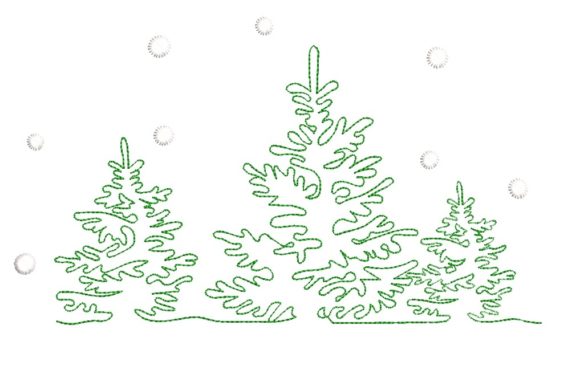
The initial appeal of Christmas Trees in the Winter Forest lies in its atmospheric quality. Unlike rigid, geometric tree silhouettes, this design captures the organic, slightly whimsical feel of a snowy woodland scene. The layout suggests depth, likely achieved through layered elements that mimic the look of distant and foreground trees. For an embroidery project, this visual personality is crucial. It does not scream for attention with neon brightness but rather invites a closer look, creating a mood of cozy nostalgia.
From a technical standpoint, the balance between open space and stitched areas appears well-considered. Designs that are too dense can puckers fabric, while those that are too sparse may lack impact. This design seems to strike a middle ground, making it versatile for both decorative accents and central focal points. The theme naturally leans toward traditional holiday aesthetics, but the execution feels modern enough to fit into contemporary home decor or boutique apparel.
Real-World Application: The Tote Bag Test
To truly understand how a digital embroidery file performs, you must move beyond the screen. I decided to test Christmas Trees in the Winter Forest on a heavy canvas tote bag, a popular item for small shop products and Etsy sellers during the holiday rush. The goal was to create a reusable gift bag that felt premium and personalized.
Using a medium-weight stabilizer, I hooped the canvas and ran the design. The result was impressive. The stitch density held up well against the textured fabric, providing enough coverage to obscure the weave without causing distortion. The fill stitch areas appeared smooth, and the outlines maintained their clarity. This success suggests that the design is robust enough for items that will see frequent use, such as tote bags or aprons. For a craft business owner, this reliability translates directly to customer trust and reduced waste from failed stitches.
Versatility Across Product Lines
Beyond tote bags, this design shows promise in several other categories. For custom apparel, such as sweatshirt embroidery, the design’s scale needs careful consideration. On a adult-sized hoodie, it works beautifully as a left-chest logo or a larger back print. However, for baby embroidery, such as onesies or bibs, you must ensure the hoop size accommodates the design without encroaching on seams or snaps. The soft, wintery theme is particularly suitable for nursery decor, including pillow covers and blankets, where a gentle aesthetic is preferred over bold, graphic lines.
For those selling digital embroidery files or finished products, the versatility of this asset is a strong selling point. It can be adapted for embroidered patches, where a satin stitch border might be added for durability. It also works well on kitchen towels, adding a festive touch to holiday hosting essentials. The key is matching the thread colors to the fabric texture. On dark fabrics, using lighter threads for the snow elements creates necessary contrast, while on light fabrics, deeper greens and blues define the forest shape.
Technical Considerations and Limitations
While Christmas Trees in the Winter Forest is a strong contender for many projects, it is not without limitations. Designers should exercise caution when using it on stretchy fabrics like jersey knits without proper stabilization. The intricate details of the trees may shift if the fabric moves during stitching. Similarly, on curved surfaces like caps, the design may require resizing or splitting to avoid distortion around the crown’s curve.
Another critical factor is the level of detail in small hoop sizes. If you plan to scale the design down significantly for a small patch or pocket accent, check the stitch count and density. Tiny details may merge or become indistinct if the resolution is too high for the physical size. Always test the design on scrap fabric first, especially if you are using a new combination of thread and material. This step saves time and ensures that the final product meets professional standards.
Enhancing Brand Value and Customer Appeal
For handmade product sellers, the choice of design assets directly impacts brand consistency. Christmas Trees in the Winter Forest offers a polished look that elevates the perceived value of the finished product. Customers are more likely to engage with items that feature clean, well-executed embroidery rather than messy or overly simplistic designs. This design supports a narrative of quality and care, which is essential for building a loyal customer base.
When creating printable mockups or digital product previews, this design renders well due to its clear shapes and balanced composition. It allows potential buyers to visualize the end result easily, whether it is on a garment or home decor item. For commercial embroidery projects, such as corporate holiday gifts, the design’s neutral yet festive tone makes it appropriate for a wide audience, avoiding overly religious or specific cultural symbols while still capturing the winter spirit.
Practical Notes for Designers
Before committing to a large production run, consider these practical steps:
- Check Thread Color Contrast: Ensure your thread palette provides enough distinction between the trees and the background snow elements.
- Review Stitch Density: Adjust density settings if your machine tends to pull lightweight fabrics.
- Confirm Hoop Size: Verify that your hoop can accommodate the design dimensions without re-hooping.
- Inspect Small Details: Zoom in on the digital file to check for any potential jump stitches or complex transitions.
- Test on Different Fabrics: Try the design on both woven and knit materials to assess stability.
- Verify Licensing: Confirm whether the license allows for commercial use if you plan to sell finished items or digital products.
The product description notes that this machine embroidery design comes with multiple embroidery file formats and can be used in multi-color setups. This flexibility is advantageous for designers who work with various machines or prefer specific file types for better compatibility. However, always double-check the specific formats included to ensure they match your equipment.
Final Verdict
Christmas Trees in the Winter Forest is a reliable and aesthetically pleasing addition to any holiday design library. It performs well on sturdy fabrics like canvas and cotton, making it ideal for tote bags, aprons, and home decor. While it requires careful handling on stretchy or delicate materials, its versatility and visual appeal make it a valuable asset for Etsy sellers, craft businesses, and hobbyists alike. By following best practices for stabilization and thread selection, you can produce high-quality embroidered products that resonate with customers and enhance your brand’s reputation.