Reviewing Digitize Earrings for Craft Fair Success
As an embroidery designer who has spent countless weekends behind a booth table, I know that the difference between a browsing customer and a buying customer often comes down to visual impact. When I first pulled up Digitize Earrings on my screen, my immediate thought was not just about the stitch path, but about the product potential. This is a machine embroidery design that bridges the gap between digital artistry and tangible, handmade beauty. For those of us in the business of creating small shop products, understanding how a single design translates across various mediums is crucial.
First Impressions and Aesthetic Appeal
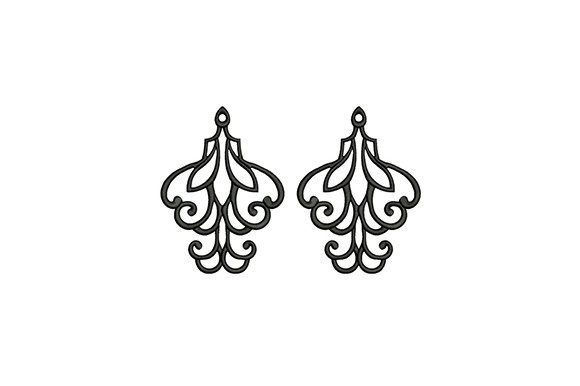
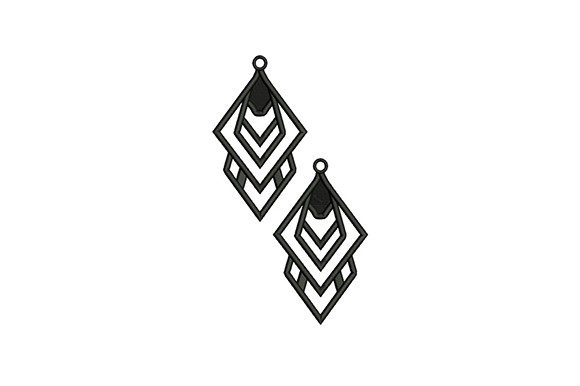
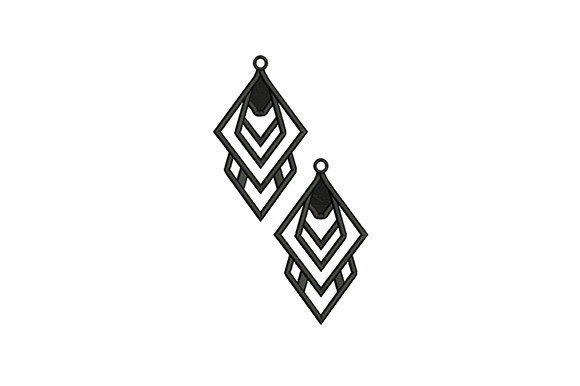
The title itself, Digitize Earrings, suggests a focus on accessory-inspired motifs or perhaps a design that mimics the delicate nature of jewelry through thread. In the world of Beauty and Embroidery, this intersection is powerful. My first impression was that this design feels elegant yet modern. It does not scream "rustic" or "farmhouse" in a traditional sense; rather, it leans toward a boutique aesthetic that appeals to buyers looking for something refined. Because the additional details specify that it uses only one color, the design relies heavily on shape and form rather than complex shading. This minimalism is a strength, allowing it to fit seamlessly into a variety of brand styles, from clean and contemporary to soft and romantic.
For an Etsy seller or a craft fair vendor, this simplicity is a double-edged sword that must be handled with care. A one-color design can look incredibly premium if executed correctly, but it can also look flat if the fabric choice is poor. The key is to let the texture of the thread and the fabric do the heavy lifting.
Versatility Across Product Lines
When preparing for a weekend craft fair, I always look for designs that can work on multiple items to maximize my inventory without maximizing my stress. Digitize Earrings performs exceptionally well on several core products. Here is how I envision it working in a real-world scenario:
- Tote Bag Design: Placed centrally on a canvas tote, this design becomes a statement piece. The single-color approach allows customers to imagine it in their favorite thread color, making it a versatile gift item.
- Apron Embroidery: On a high-quality linen apron, this motif adds a touch of sophistication. It transforms a utilitarian kitchen item into a decorative handmade product that appeals to home cooks who value aesthetics.
- Tea Towel Embroidery: This is where the design shines as a quick-turnaround item. A small, crisp embroidery on the corner of a tea towel creates an affordable impulse buy for booth visitors.
- Embroidered Patch: If the design scales down well, it makes for an excellent iron-on or sew-on patch. Patches are huge right now for customizing denim jackets and bags, offering a low-cost entry point for younger customers.
- Fabric Pouches and Pillow Covers: As a focal point on a zippered pouch or a throw pillow, the design adds visual interest without overwhelming the space. It works particularly well for market bags where durability and style meet.
Production Practicality and Batch Selling
From a production standpoint, Digitize Earrings is a dream for batch production. Since it is a one-color design, there is no need for complex color changes, trimming, or multi-needle synchronization. This significantly reduces the time per unit, which is critical when you are trying to fill a booth table. For commercial embroidery businesses, this efficiency translates directly to higher profit margins.
The design is easy to understand at a glance. In a busy craft fair environment, customers scan tables quickly. A clear, recognizable shape catches the eye faster than a cluttered, overly detailed image. Furthermore, because it uses only one color, it photographs beautifully for online listings. You do not have to worry about color calibration issues across different screens, making it ideal for digital sellers who offer printable mockups or finished product photos.
Technical Considerations and Careful Use
However, even the best digital embroidery file requires technical diligence. Before running a full batch, I always advise testing the design on scrap fabric. Here are specific areas to watch:
- Stitch Density: Check the density carefully. If the design is too dense for lightweight fabrics like silk or thin cotton, it may pucker. Conversely, if it is too sparse, it may not cover the fabric adequately, leading to a cheap appearance.
- Fabric Texture: Textured towels or thick canvas can sometimes obscure fine details. Ensure that the lines in Digitize Earrings remain distinct on textured surfaces. If the design has tiny details, they might get lost in the weave of a rough linen.
- Curved Surfaces: If you plan to put this on caps, be aware that curved surfaces distort designs. A design that looks perfect flat may look stretched or compressed on a hat. Always hoop with the appropriate stabilizer for curved items.
- Dark Fabric: Since this is a one-color design, contrast is king. If you embroider light thread on dark fabric, ensure your stabilizer is also dark or covered, so white backing does not peek through the stitches.
Enhancing Brand Consistency and Value
Using a consistent design like Digitize Earrings across your product line helps build brand recognition. When a customer sees the same elegant motif on a tote, a towel, and a patch, they begin to associate that shape with your quality. This consistency boosts buyer engagement and trust. It signals that you are a professional embroidery business owner who cares about cohesive design assets, not just random items.
To maximize the perceived value, pair the embroidery with high-quality blanks. A premium tote bag with a crisp, well-stitched design commands a higher price than a cheap bag with the same embroidery. The design elevates the base product, turning a simple commodity into a unique handmade gift.
Final Designer Notes
Before you list this as a craft fair product or add it to your Etsy shop, take these final steps. First, confirm the hoop size required. The product description lists numerous embroidery file formats including DST, PES, JEF, and XXX, which suggests broad compatibility, but you must ensure the design fits your specific hoop. Second, check the commercial licensing. While many digital files allow for finished product sales, always verify the terms to protect your business. Finally, create at least one real mockup. Photograph the embroidered item in natural light to see how the single color interacts with the fabric texture. This attention to detail ensures that Digitize Earrings not only sells but also delights your customers, reinforcing your reputation for quality in the competitive world of handmade goods.