Reviewing the World Peace Symbol for Real Stitch Projects
As a designer who spends half my life staring at digitized files and the other half pulling bobbins out of tangled messes, I approach every new machine embroidery design with a healthy dose of skepticism. We have all been there: you buy a file because the thumbnail looks crisp, only to find it stitches out like a bird’s nest on your actual garment. That is why I took a close look at the World Peace Symbol before committing it to any client work or personal inventory. This isn’t just about whether the icon looks nice; it is about how it performs when the needle hits the fabric.
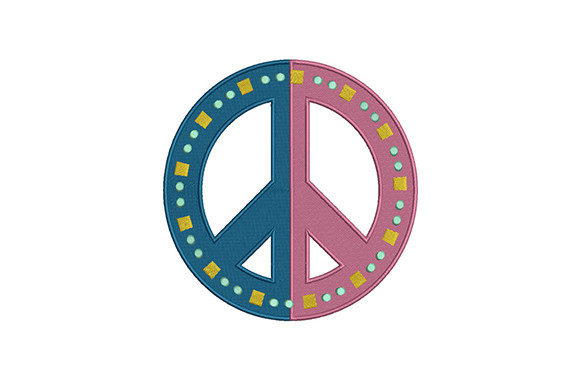
The first impression of this design is its clarity. In the realm of Around The World themed motifs, peace symbols are ubiquitous, but they are often over-digitized with unnecessary complexity. This version feels restrained. It relies on clean lines and balanced proportions rather than excessive detail. For an embroidery project intended for commercial use or high-volume handmade sales, simplicity is your best friend. Complex designs trap threads and break needles; simple, bold designs sell because they look professional from across the room.
Visual Impact and Design Personality
The mood this design creates is one of calm authority. It does not shout; it states. When I loaded the file into my editing software to inspect the stitch paths, I noticed the thoughtful use of satin stitch for the outer ring and likely fill stitch or dense running stitches for the internal elements, depending on the size scaling. The layout is symmetrical, which is crucial for visual balance. If you are stitching this on a centered chest placement for a sweatshirt or a back panel for a tote, symmetry ensures the eye is drawn immediately to the message without distraction.
With four colors used in the standard configuration, the design offers enough contrast to pop against various backgrounds without becoming chaotic. However, as an experienced reviewer, I always advise checking the thread colors against your specific fabric. A white peace symbol on a heather grey hoodie reads very differently than on a navy blue canvas tote. The visual personality here is versatile, fitting seamlessly into both modern minimalist aesthetics and retro-inspired collections.
Real-World Application Scenarios
Let’s talk about where this digital embroidery file actually shines. I recently considered using a similar motif for a custom order involving organic cotton tote bags. The World Peace Symbol worked exceptionally well here because the bold lines held up against the textured weave of the canvas. For Etsy sellers and craft business owners, this design is a strong candidate for several product lines:
- Sweatshirt embroidery: The design scales well for left-chest logos or larger back prints, offering a subtle yet meaningful statement piece.
- Embroidered patch creation: Because the outlines are distinct, this design can be easily converted into a merrowed-edge patch, a high-margin item for small shops.
- Baby embroidery: Soft pastels combined with this symbol make for gentle, meaningful nursery decor or onesie accents, provided the stitch density is adjusted for delicate fabrics.
- Holiday embroidery and gifts: It serves as a universal gift option that transcends specific religious or cultural holidays, appealing to a broad customer base looking for inclusive personalized gift options.
For commercial embroidery projects, such as branding for non-profits or community organizations, this design communicates values instantly. It builds customer trust because it aligns the brand with positive global sentiments. When used in printable mockup previews for your online store, ensure you show the design on both light and dark fabrics to demonstrate its versatility to potential buyers.
Technical Considerations and Fabric Constraints
While the design is robust, it is not without its technical demands. You must consider the stitch density. If you are stitching on thin fabric like a lightweight t-shirt or silk, a high-density fill can cause puckering. Always use a proper stabilizer. For stretchy fabrics, a cut-away stabilizer is non-negotiable to prevent distortion after washing.
Be cautious when applying this to curved surfaces like caps. The circular nature of the symbol can distort if the hoop tension is not perfect. I recommend testing the design on a scrap piece of the exact same material before starting the final finished product. Also, pay attention to the small details. If you scale the design down too much for a tiny pocket accent, the internal lines may merge, losing the symbol’s recognition. Always check the minimum recommended hoop size in the file documentation.
Another critical factor is the fabric texture. On highly textured materials like terry cloth or fleece, fine details can get lost. This design’s bold structure helps mitigate that risk, but you should still opt for higher contrast thread colors to ensure visibility. For dark fabrics, consider using a underlay stitch strategy that provides a solid base for the top threads, preventing the fabric color from peeking through and muddying the design.
File Formats and Compatibility
One of the strongest aspects of this package is the extensive range of embroidery file formats provided. The inclusion of DST, PES, JEF, EXP, HUS, VIP, VP3, XXX, and many others means that whether you are running an older Brother machine, a modern Bernina, or a industrial multi-needle Janome, you are covered. This compatibility is vital for design assets meant for diverse user bases.
However, do not assume universal compatibility without verification. Always open the specific format for your machine in your software to preview the stitch order and color changes. The file list includes formats like ART, CND, DSB, DSZ, PCS, PEC, SEW, TAP, and VP4, which covers nearly every major brand. This breadth reduces friction for small shop product creators who may switch machines or upgrade equipment frequently.
Final Verdict for Designers and Makers
The World Peace Symbol is a reliable, professional-grade addition to any digital library. It avoids the pitfalls of overly complex digitizing while maintaining strong visual impact. For handmade product creators, it offers a quick turnaround time due to its efficient stitch path, allowing for higher production volume. For custom apparel decorators, it provides a timeless motif that rarely goes out of style.
Before you list this in your shop or stitch it for a client, remember to test on scrap fabric, verify the license terms for commercial use, and adjust your tension settings based on your specific thread and fabric combination. When used correctly, this design elevates the perceived value of your work, turning a simple piece of cloth into a statement of style and substance. It is a solid choice for anyone looking to add meaningful, high-quality Embroidery to their portfolio.