Singing: A Designer’s Review for Boutique Sweatshirts
As an embroidery designer who has spent years refining digitized art for commercial apparel, I approach every new machine embroidery design with a critical eye. It is not just about whether the file opens correctly; it is about how that design translates onto fabric, how it feels to the touch, and ultimately, how it sells. Recently, I had the opportunity to evaluate Singing, a music-themed embroidery piece intended for a limited-run sweatshirt collection for a small boutique brand. This review breaks down the aesthetic potential, technical considerations, and commercial viability of this specific embroidery file.
First Impressions and Aesthetic Mood
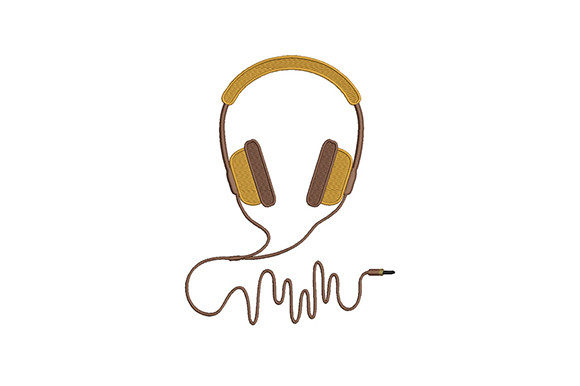
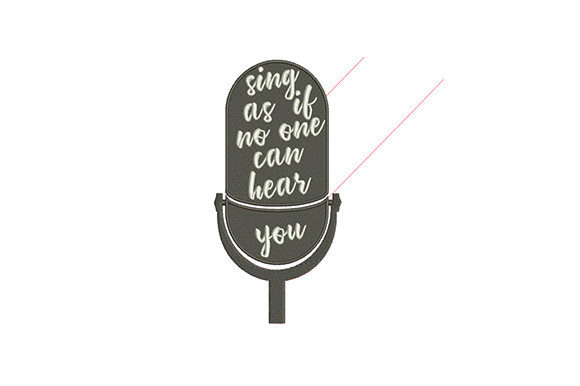
The title Singing immediately sets a tonal expectation. In the context of Music and Embroidery, one might anticipate complex musical notes or intricate treble clefs. However, the provided details indicate a streamlined approach: a design utilizing only two thread colors. This minimalism is often a strength in modern custom apparel. When I first loaded the preview, the simplicity suggested a clean, contemporary vibe rather than a cluttered or overly decorative look.
For a boutique brand targeting young adults or creative entrepreneurs, this restrained palette allows the design to feel premium rather than cheap. The two-color limitation forces the digitizer to rely on shape and negative space, which often results in a more sophisticated finished product. It feels playful yet understated, making it suitable for both casual wear and slightly more dressed-up cozy attire. The mood is light, artistic, and accessible, avoiding the heaviness that sometimes plagues larger, multi-colored designs.
Visualizing Singing on Sweatshirts and Hoodies
The true test of any sweatshirt embroidery design is how it interacts with different fabric bases. I imagined placing Singing on several standard blanks to gauge its versatility.
- Neutral Sweatshirts: On heather grey or oatmeal fabrics, the two thread colors would need to provide sufficient contrast. If the design uses dark threads, it pops beautifully against light neutrals, creating a classic, timeless look that appeals to a broad audience.
- Dark Fabric: Placing this design on black or navy requires careful selection of thread colors. Since we are limited to two colors, choosing a bright white or metallic gold could create a striking, high-contrast statement piece. This works exceptionally well for evening wear or bold streetwear styles.
- Pastel Colors: For spring collections, pastel pink or mint green hoodies offer a soft backdrop. Here, Singing would lean into a feminine, cute aesthetic. The low stitch count implied by a two-color design ensures the fabric does not pucker, maintaining the soft drape of the pastel material.
- Oversized Hoodies: The trend toward oversized fits demands designs that can hold their own without overwhelming the garment. A centered chest placement or a smaller left-chest logo style would work best. The design’s simplicity ensures it remains readable even when scaled down for a subtle branding effect.
Whether you are aiming for a rustic, handmade feel or a sleek, modern retail appearance, Singing adapts well because it does not rely on excessive detail that might get lost in the fabric texture of heavy fleece.
Technical Considerations for Production
Before running a production batch, any serious Etsy seller or apparel decorator must address technical specifics. The product description lists an impressive array of digital embroidery file formats, including DST, PES, JEF, EXP, and VIP, among others. This wide compatibility is crucial for shops using various machine brands, from Brother to Janome to Bernina. However, the absence of explicit stitch count or exact hoop size recommendations in the brief means you must verify these details in the included documentation before hooping.
Stitch density is a primary concern for sweatshirts. Heavy fleece requires a design that is not too dense, or it will cause stiffness and discomfort. A two-color design typically suggests lower density, which is ideal for comfort. You must pair this with the correct stabilizer. For most sweatshirt materials, a cut-away stabilizer is recommended to provide long-term support, especially if the garment will be washed frequently. Tear-away stabilizers might suffice for lighter fabrics but could leave residue or fail to support the stitches over time on thicker hoodies.
Another critical factor is thread color contrast. With only two colors available in the design, your choice of thread becomes the defining visual element. Test swatches are essential. Ensure that the transition between the two colors is smooth and that there are no excessive jump stitches that could snag on hair or other clothing. The readability of the design at small sizes is also vital if you plan to use it as a sleeve accent or a small chest logo.
Commercial Viability and Brand Identity
For small shop owners, every design asset must contribute to brand identity. Singing offers a unique opportunity to create a cohesive collection. Because it is part of the Music category, it can be paired with other audio-themed items or used as a standalone statement piece. The simplicity of the design allows for faster production times, which directly impacts profit margins. Faster stitching means more units produced per hour, a key metric for commercial embroidery success.
Furthermore, the visual recognition of a clean, two-color logo builds buyer trust. Customers often associate overly complex, messy embroidery with lower quality. A crisp, well-digitized design like Singing signals professionalism. When photographed for Etsy listings or social media, the clean lines stand out against the soft texture of the sweatshirt, creating an appealing printable mockup or lifestyle image that drives engagement.
Placement Strategies for Maximum Impact
To maximize the value of this hoodie design, consider varied placements:
- Left Chest: Ideal for a subtle, branded look. This placement feels exclusive and high-end, perfect for a minimalist boutique aesthetic.
- Center Chest: A larger scale here makes the design the focal point. This works well for graphic-heavy marketing and appeals to customers looking for bold statements.
- Sleeve Accents: Placing a smaller version on the sleeve adds a custom touch that differentiates your handmade product from mass-produced retail items. It encourages customers to show off the detail in photos.
- Back Design: If the file allows for scaling up without losing integrity, a large back print can transform a basic hoodie into a standout jacket alternative.
Final Verdict for Designers
In conclusion, Singing is a versatile and commercially viable addition to any embroidery designer’s library. Its strength lies in its simplicity and adaptability across various fabric colors and garment types. While the lack of detailed stitch count data in the initial overview requires a precautionary check of the included files, the broad format support ensures compatibility with most professional setups. For small shop product lines, this design offers a balance of artistic charm and production efficiency. It is particularly well-suited for brands aiming to project a modern, clean, and musically inspired identity. By paying attention to stabilizer choice and thread contrast, you can ensure that the finished product meets the high standards expected by today’s discerning customers.
Remember to always test on your specific fabric blend before committing to a full run. The interaction between thread, stabilizer, and fleece can vary, but with proper preparation, Singing has the potential to become a bestseller in your seasonal apparel lineup.