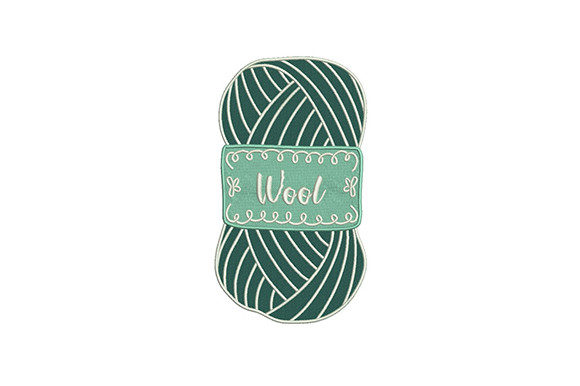
Wool Embroidery Design Review for Small Business Merch
As an embroidery designer who has spent years digitizing files and consulting with small business owners, I approach every new machine embroidery design with a critical eye. It is not just about whether a pattern looks cute on a screen; it is about how that design performs in the real world of commercial production. Today, I am reviewing Wool, a creative sewing embroidery file that promises versatility for work clothes, home decor, and more. For boutique owners, Etsy sellers, and apparel decorators, understanding the practical application of this asset is crucial before adding it to your product line.
First Impressions: Visual Personality and Brand Fit
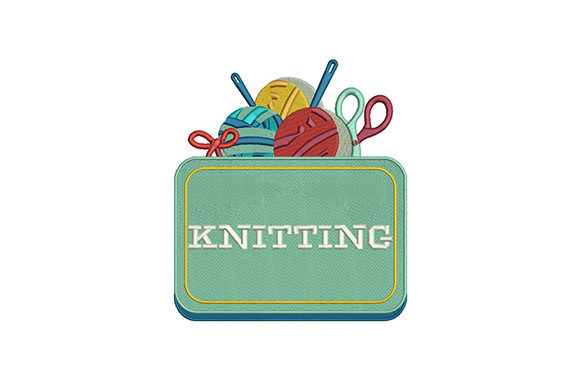
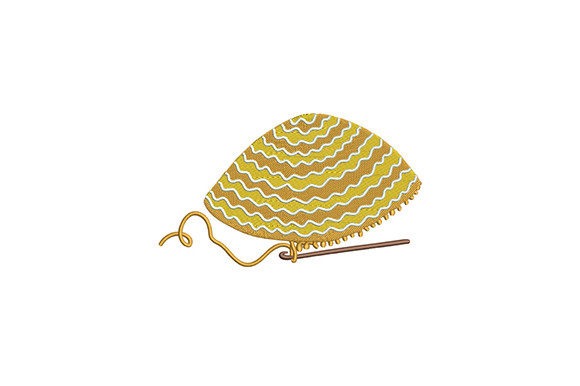
The title Wool immediately evokes a sense of warmth, texture, and organic quality. Based on the description highlighting its suitability for crafting enthusiasts, this design appears to lean toward a handmade, rustic, or cozy aesthetic. In the context of brand identity, this is a powerful tool. If you run a local bakery, a florist shop, or a pet brand, the visual language of "wool" suggests comfort and care. It does not scream corporate rigidity; instead, it whispers artisanal quality.
However, "cute and creative" can be subjective. For a high-end luxury fashion label, this might feel too playful. But for a creative studio, a children’s boutique, or a community café, this design could serve as an excellent anchor for your small business merch. The key is to determine if the specific stitch style within the file matches your brand’s tone. Is it bold and modern, or delicate and traditional? Before committing to a large run, assess whether the design’s personality aligns with your customer’s expectations.
Real-World Applications for Commercial Embroidery
The true value of any digital embroidery file lies in its versatility. The product description notes that this design looks perfect on work clothes, home decor, and bed sheets. Let us break down how Wool can function across different merchandise categories for a growing business.
- Staff Uniforms and Aprons: For cafes and bakeries, embroidered aprons are a staple. A design like Wool can add a touch of personality to neutral-colored uniforms. Ensure the placement is consistent, such as the upper left chest or the center bib, to maintain professionalism.
- Custom Apparel and Caps: Cap embroidery requires careful consideration of curvature. If Wool features intricate details, it may distort on a curved front panel. Test it on a structured cap first. For t-shirts or hoodies, consider using it as a sleeve detail or a pocket accent rather than a massive back print, keeping the look subtle and premium.
- Tote Bag Design: Tote bags are popular eco-friendly merchandise. The sturdy fabric of canvas totes handles embroidery well. This design could serve as a central logo mark or a decorative corner element, enhancing the perceived value of the bag as a reusable gift item.
- Embroidered Patches: Creating standalone patches allows customers to apply your branding to their own items. If the design holds up at a smaller scale, it can become a best-selling accessory in your online store.
Technical Considerations and Production Challenges
While the aesthetic appeal is important, the technical execution determines whether a project is profitable or a headache. When reviewing Wool for production, several factors must be addressed to ensure a high-quality finished product.
Stitch Density and Fabric Texture: The term "Wool" might imply a textured look, but the actual stitch density of the file is unknown from the description alone. High-density designs can cause puckering on lightweight fabrics like thin cotton shirts. Conversely, low-density designs may look sparse on heavy materials like denim or wool coats. Always test the design on the exact fabric you intend to use. If you are stitching on textured fabric, ensure the thread colors provide enough contrast so the design does not get lost in the weave.
Size and Detail Legibility: Small business owners often want to maximize branding space, but shrinking a complex design too much results in a muddy mess. If Wool contains fine lines or tiny lettering, it may not translate well to a small patch or a child’s garment. Create a printable mockup at the intended size to check legibility. If the details blur together, you may need to simplify the design or increase the dimensions.
Stabilizer Selection: Proper stabilization is non-negotiable. For stretchy fabrics like jersey knits used in t-shirts, a cut-away stabilizer is usually recommended to prevent distortion over time. For woven fabrics like aprons or tote bags, a tear-away might suffice. Always consult your machine’s manual and test different stabilizers to see which provides the crispest result for this specific file.
Enhancing Brand Identity and Customer Trust
Consistency builds trust. When a customer sees the same high-quality embroidery on your apron, your tote bag, and your packaging, it reinforces your brand identity. Using a cohesive design like Wool across various touchpoints creates a recognizable visual signature. It signals that you pay attention to detail, which translates to perceived higher value in your handmade products.
Moreover, embroidered items have a tactile quality that printed graphics lack. The raised texture of the threads invites touch, creating a deeper sensory connection with the customer. This is particularly effective for businesses selling lifestyle goods, where the emotional experience of the product is as important as its utility. By investing in quality design assets and executing them well, you elevate your brand from a simple vendor to a curated experience.
Practical Designer Notes for Implementation
Before you launch your new merchandise line featuring Wool, follow these practical steps to minimize waste and maximize quality:
- Test in Black and White: Print or stitch the design in monochrome first. This helps you evaluate the contrast and structure without the distraction of color. If it looks good in black and white, it will likely look great in color.
- Check Thread Color Contrast: Select thread colors that stand out against your base fabric. If using dark uniforms, ensure the design uses light or bright threads. Avoid low-contrast combinations that make the design hard to read from a distance.
- Verify Hoop Size Compatibility: Confirm that the design fits within your machine’s hoop size. If it requires a large hoop, ensure you have the appropriate frame and stabilizer setup to handle the weight and tension.
- Review Licensing Terms: The description mentions it is perfect for enthusiasts, but does it explicitly allow commercial use? Always confirm the license terms of the embroidery file before selling products made with it. Some creators require an extended license for mass production.
- Create Client Mockups: If you are doing custom work for other businesses, present them with a digital mockup of Wool on their specific garment type. This manages expectations and ensures approval before you start stitching.
In conclusion, Wool offers promising potential for small businesses looking to add a touch of handmade charm to their merchandise. By carefully considering fabric choice, stitch density, and brand alignment, you can transform this creative sewing embroidery into a powerful tool for customer engagement and brand recognition. Always prioritize testing and quality control to ensure every stitched item reflects the professionalism your business deserves.