Baby Llama: A Craft Fair Best Seller Review
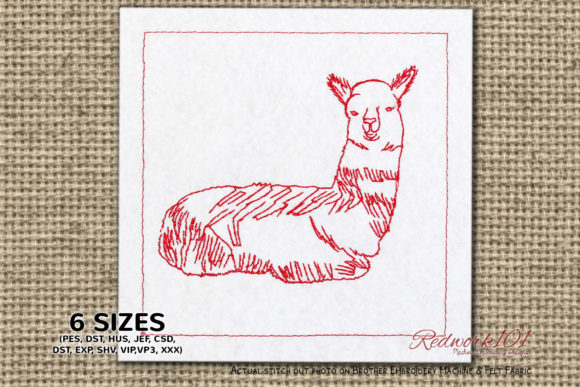
As an embroidery designer who has spent countless weekends behind a booth table, I know that not every design translates into sales. Some look beautiful on a screen but vanish in a crowded market. Others become instant magnets for customers. Today, I am reviewing Baby Llama, a charming redwork embroidery file, through the lens of a practical craft fair seller. This review focuses on how this Farm Animals themed design performs as a handmade product, specifically for those looking to boost their Etsy shop or weekend market inventory.
First Impressions and Visual Appeal
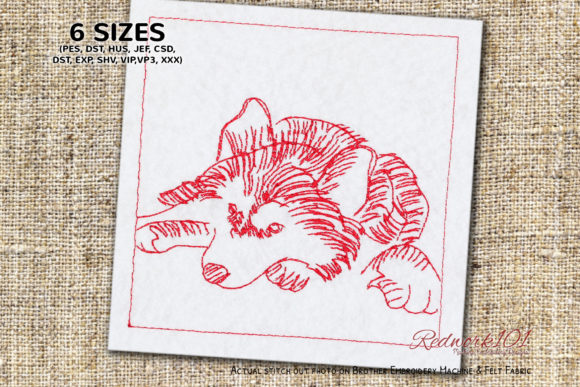
The first thing you notice about Baby Llama is its immediate approachability. The description notes that this adorable baby llama can’t wait to add some cuteness to your creations. In a busy craft fair environment, "cute" is a powerful sales driver. It stops people in their tracks. The design utilizes a redwork style, which traditionally relies on a single thread color against a neutral background. This simplicity is not a weakness; it is a strategic advantage for small shop products.
Redwork designs are timeless. They feel rustic yet modern, fitting perfectly into the current farmhouse and minimalist trends. When I visualize Baby Llama stitched out, it does not scream for attention with neon threads or complex shading. Instead, it offers a lovely, playful touch that feels premium because of its restraint. For an embroidery business owner, this means the design is versatile. It does not clash with the fabric color, provided you choose high-contrast threads.
Product Versatility for Market Sellers
To maximize return on investment, a digital embroidery file must work across multiple product types. Here is how Baby Llama performs on common craft fair items:
- Tote Bag Design: This is perhaps the strongest application. A large, centered llama on a canvas tote creates an eye-catching statement piece. Shoppers love functional art, and this design is bold enough to be seen from a distance.
- Apron Embroidery: Placing the llama on the bib of a kitchen apron adds personality. It transforms a standard utility item into a giftable handmade product.
- Tea Towel Embroidery: Redwork was historically popular on kitchen linens. Stitching Baby Llama on the corner of a flour sack towel creates a classic, high-volume seller.
- Embroidered Patch: If you create iron-on or sew-on patches, this design works well. However, you must ensure the stitch density is sufficient to hold the shape without backing showing through.
- Caps and Hats: Curved surfaces are tricky. Because this is a redwork design, it likely has fewer dense fills, making it easier to hoop on a cap frame without puckering.
For Etsy sellers, these variations allow you to create a cohesive collection. You can use the same machine embroidery design to populate your shop with diverse items, saving time on digitizing and testing.
Production Practicality and Batch Selling
When preparing for a weekend craft fair, speed and consistency are vital. A design that takes twenty minutes to stitch is less profitable than one that takes five. While the exact stitch count is not provided in the brief, redwork designs are generally faster to stitch because they lack heavy satin fills or complex gradients. This makes Baby Llama an excellent candidate for batch production.
You can hoop multiple tea towels or tote bags in advance. The simplicity of the design means there is less risk of thread breaks or bird nests compared to highly detailed commercial embroidery files. This reliability is crucial when you need to produce fifty units before a holiday market. Furthermore, the Box Stitch mentioned in the description suggests a textured outline that adds visual interest without adding significant production time.
Careful-Use Notes for Quality Control
Even the best designs have limitations. To ensure your finished product looks professional, consider these factors:
- Fabric Texture: Redwork relies on clear lines. Avoid highly textured fabrics like thick terry cloth or loose-weave linen, as the stitches may sink into the pile or lose clarity. Smooth cotton or canvas is ideal.
- Thread Contrast: Since this is a single-color style, your thread choice defines the design. Use a bright red or deep burgundy on white or cream fabric. On dark fabric, ensure you use a light-colored thread, though traditional redwork looks best on light backgrounds.
- Size and Clarity: If you shrink the design too much for a small pouch, the details of the llama’s face may merge. Always test the smallest size you plan to sell to ensure the features remain distinct.
- Stabilizer Choice: Even with low stitch density, proper stabilization is key. Use a cut-away stabilizer for stretchy fabrics like t-shirts and a tear-away for stable wovens like tote bags to prevent distortion.
Enhancing Brand Consistency and Display
Your booth display tells a story. Baby Llama fits seamlessly into a brand focused on whimsical, handcrafted quality. It appeals to buyers looking for unique gifts that feel personal. When arranging your table, group items featuring this design together. A stack of embroidered tea towels next to a tote bag with the same llama creates a visual anchor.
For online listings, this design photographs beautifully. The high contrast of redwork stands out in thumbnail images, which is critical for Etsy sellers. Create a printable mockup to show customers how the design looks on different items before you even stitch a single thread. This helps in planning your inventory mix and marketing materials.
Designer Tips for Final Execution
Before you commit to selling Baby Llama as a finished product, follow these professional steps:
- Test on Scrap Fabric: Never skip the test stitch. Check for puckering and thread tension.
- Check Thread Colors: Ensure your red thread does not bleed during washing, especially on white goods.
- Confirm Hoop Size: Verify that the design fits your standard hoops to avoid re-hooping mid-stitch.
- Review Licensing: The description mentions it is a digital embroidery file. Always confirm the license terms. Most designers allow selling finished physical products but prohibit reselling the file itself. Ensure you are compliant with commercial embroidery rights.
- Create Real Mockups: Photograph the actual stitched item, not just the digital preview. Buyers want to see the texture and scale of the Embroidery.
In conclusion, Baby Llama is a strong contender for any craft fair lineup. Its blend of cute aesthetics, practical redwork style, and versatility across tote bags, aprons, and linens makes it a reliable revenue generator. By paying attention to fabric choice and stitch quality, you can turn this simple design into a standout star of your handmade shop.