Reviewing Chicken Wire Pattern for Branded Merch
As an embroidery designer who has spent years digitizing and reviewing files for commercial use, I approach every new machine embroidery design with a critical eye. It is not enough for a design to look pretty on a screen; it must perform under the needle, survive industrial washing, and elevate the brand it represents. Today, I am reviewing Chicken Wire Pattern, a digital asset categorized under Farm Animals, to determine its viability for small business merchandise and branded patch applications.
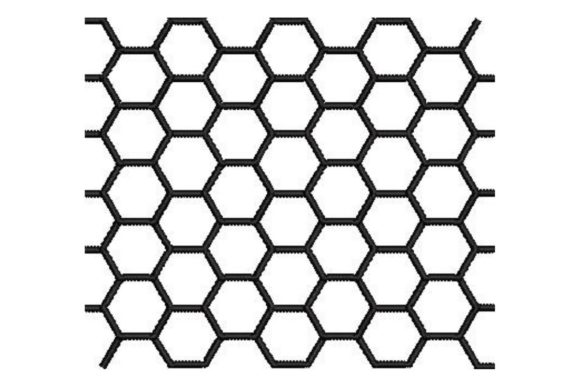
The initial impression of this design is one of rustic charm mixed with structural integrity. The title suggests a lattice or mesh aesthetic, which immediately brings to mind farmhouse decor, artisanal bakeries, boutique florists, and heritage pet brands. Unlike overly complex illustrations that can turn into thread nests, a pattern-based design like this often offers better scalability. For small business owners, particularly those in the handmade product space, finding a balance between decorative flair and professional clarity is essential. This design appears to offer that touch of originality mentioned in its description, serving as a versatile element rather than just a standalone logo.
Visual Personality and Brand Alignment
When evaluating Chicken Wire Pattern for brand identity, we must consider the emotional response it triggers. The motif feels grounded, authentic, and slightly nostalgic. It is not sleek or ultra-modern; instead, it communicates values of craftsmanship, tradition, and organic quality. This makes it an excellent choice for businesses that want to project warmth and reliability.
For a local café or a bakery, this pattern could serve as a subtle background texture on aprons, distinguishing staff without overwhelming the customer’s view. For a florist or garden center, it aligns perfectly with the natural theme. In the context of Farm Animals and rural aesthetics, it acts as a visual shorthand for "homegrown" or "locally sourced." However, for a tech startup or a luxury fashion label, this design might feel too casual. Understanding your target audience is key before integrating such a distinct visual style into your design assets.
Practical Applications for Small Business Merch
The versatility of this embroidery file lies in its adaptability across various products. Here is how I envision it performing in real-world commercial embroidery projects:
- Embroidered Patches: This is perhaps the strongest use case. A circular or square patch featuring the chicken wire motif can be sewn onto denim jackets, canvas tote bags, or work shirts. It creates a cohesive look for team uniforms while allowing for individual expression.
- Apron Embroidery: For boutiques and studios, branding the chest area of an apron with a simplified version of this pattern adds a premium feel. It signals attention to detail and care, which translates to higher perceived value for the finished product or service.
- Cap Embroidery: Placing a small iteration of the pattern on the side panel or back of a cap can serve as a subtle brand mark. It is less intrusive than a large front logo but still reinforces recognition.
- Tote Bag Design: Canvas bags benefit from bold, clear stitching. The geometric nature of a wire pattern holds up well on textured fabrics, providing a durable and stylish accessory for customers.
- Product Packaging Accents: Small embroidered tags attached to handmade goods can feature this design, turning packaging into a keepsake.
For Etsy sellers and crafters, using this as part of a broader collection of custom apparel can help differentiate their shop. It moves beyond generic text logos and offers a visual texture that competitors may lack.
Technical Considerations and Production Notes
While the aesthetic appeal is strong, technical execution is where many designs fail. As a designer, I advise caution in several areas when working with Chicken Wire Pattern. First, consider the stitch density. Patterns that mimic wire or mesh can sometimes be digitized with too many overlapping stitches, leading to puckering on lightweight fabrics. Always check the file details before production.
Since the product description notes that it comes with multiple digital embroidery file formats, you likely have options for different hoop sizes. However, you must verify the specific dimensions. If the design is intended for a small patch, ensure the lines are thick enough to remain visible after washing. Fine details can get lost in the fabric grain, especially on textured materials like terry cloth or heavy canvas.
Here are my practical notes for testing this design:
- Test in Black and White: Before committing to brand colors, stitch out the design in black thread on white fabric. This reveals the structure and spacing without the distraction of color. If it looks muddy in monochrome, it will look messy in color.
- Check Thread Color Contrast: If using on dark uniforms, ensure you have a high-contrast thread color. A low-contrast combination might make the pattern disappear from a distance, defeating the purpose of brand recognition.
- Inspect Spacing and Jump Stitches: Review the digitizing for excessive jump stitches, which can snag on clothing. Good digitizing should minimize these or trim them effectively.
- Use Proper Stabilizer: For stretchy fabrics like t-shirts, a cut-away stabilizer is crucial to prevent distortion. For woven fabrics like aprons or tote bags, a tear-away might suffice, but test first.
- Create a Printable Mockup: Before stitching a full batch, create a printable mockup or a single sample to show clients or stakeholders. This manages expectations and allows for adjustments in placement or size.
Navigating Limitations and Care Instructions
There are scenarios where Chicken Wire Pattern should be used carefully. Avoid placing highly detailed versions of this pattern on curved surfaces like the front of a baseball cap unless the digitizing is specifically optimized for that curvature. The tension changes on curved hoops can distort linear patterns.
Additionally, consider the wash cycle. Items that undergo frequent industrial washing, such as restaurant uniforms, need robust stitching. Ensure the design does not rely on tiny, isolated stitches that can pull out over time. If the design includes any lettering or fine outlines, verify that they meet the minimum width requirements for your specific machine and thread type.
It is also vital to confirm commercial licensing. The description states it can be used with multiple embroidery machines, but always read the specific license terms provided by the seller. Using a design for commercial embroidery without proper rights can lead to legal issues for your small business.
Enhancing Customer Trust and Value
Ultimately, the goal of using a design like Chicken Wire Pattern is to enhance brand identity and customer trust. When a customer sees consistent, high-quality Embroidery on your staff’s attire or packaging, it signals professionalism. It suggests that you care about the details, which subconsciously assures them that you care about the quality of your core product or service.
For handmade brands, this level of presentation justifies a higher price point. It transforms a simple item into a branded experience. Whether you are selling baked goods, floral arrangements, or artisanal crafts, the tactile quality of embroidery adds a layer of luxury and permanence that printed graphics cannot match.
In conclusion, Chicken Wire Pattern is a promising asset for businesses leaning into rustic, artisanal, or farm-inspired aesthetics. Its success depends on thoughtful application, rigorous testing, and alignment with your brand’s visual language. By treating it as a strategic business tool rather than just a decorative element, you can leverage its unique character to build stronger connections with your audience and elevate your small business merch to a professional standard.