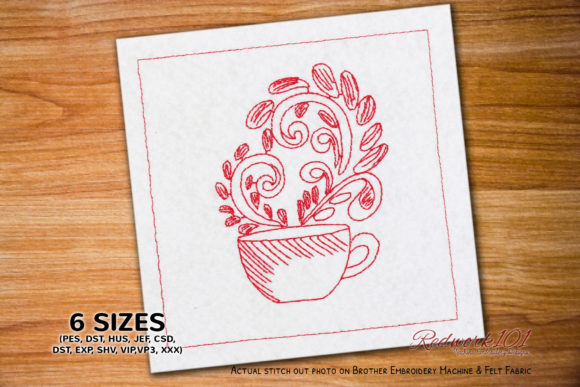
Coffee Bean Cup Pattern: A Designer’s Review
As an embroidery designer who spends countless hours prepping for weekend craft fairs, I have learned that not every design belongs on every product. Some patterns are too intricate for a quick glance, while others lack the visual punch needed to stop a scrolling thumb or a wandering eye in a busy market aisle. When I first loaded the Coffee Bean Cup Pattern into my digitizing software, I was looking for that specific spark—a design that balances simplicity with charm. This redwork embroidery piece immediately struck me as a versatile contender for the handmade market, particularly for sellers focusing on kitchen and lifestyle goods.
First Impressions and Aesthetic Appeal
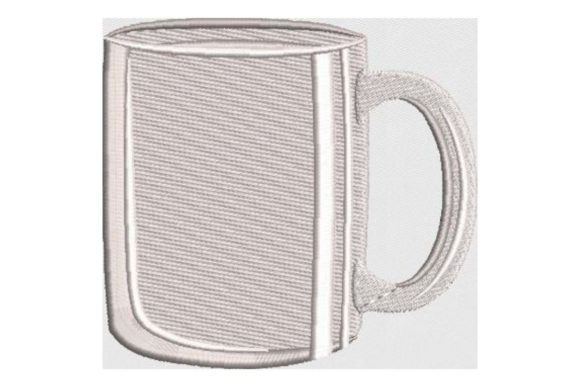
The immediate vibe of this design is warm, rustic, and inviting. Redwork, by its nature, carries a nostalgic, farmhouse aesthetic that resonates deeply with buyers looking for cozy home decor. The Coffee Bean Cup Pattern does not try to be overly modern or minimalist; instead, it leans into a classic, decorative style that feels premium without being pretentious. For a craft fair seller, this is crucial. You need items that feel approachable yet high-quality. The optional Box Stitch mentioned in the description adds a layer of customization. If you want a cleaner, floating look, you can omit it. If you want a framed, finished appearance that pops against busy fabric textures, the box provides a perfect border.
From a visual standpoint, the design is bold enough to be understood from three feet away. This is a critical metric for booth displays. Customers walking past your table need to instantly recognize the motif. A coffee cup is universally understood, and the bean detail adds just enough specificity to appeal to coffee lovers without alienating tea drinkers who might appreciate the general kitchen theme. It fits seamlessly into the broader category of Tea and kitchen accessories, bridging the gap between morning brew rituals and afternoon relaxation.
Product Versatility for the Handmade Market
When evaluating a new machine embroidery design, I always ask: where does this sell best? The Coffee Bean Cup Pattern is exceptionally adaptable. Here is how it performs across various popular craft fair products:
- Tote Bags: This is perhaps the strongest application. A large hoop size allows the design to sit prominently on canvas or cotton totes. It serves as an excellent tote bag design for local coffee shops or farmers' markets.
- Aprons: As an apron embroidery focal point, it adds personality to plain bib aprons. The redwork contrast looks striking on white, denim, or natural linen.
- Tea Towels: For tea towel embroidery, ensure the stitch density is appropriate for thin fabric. This design works well as a corner accent or a central feature, depending on the towel size.
- Embroidered Patches: If you create iron-on or sew-on patches, this design’s clear lines make it ideal. An embroidered patch can be sold separately or used to embellish existing inventory.
- Caps and Hats: Use caution here. Curved surfaces distort designs. If you attempt this on caps, keep the size small and avoid the optional box if it causes puckering.
For Etsy sellers and digital shop owners, this pattern is a strong addition to a digital embroidery file bundle. It appeals to creative entrepreneurs who want to expand their design assets with seasonal or evergreen kitchen themes. Creating a printable mockup for your listing is essential to show potential buyers how the design looks on different fabrics.
Production Practicalities and Technical Notes
While the design is visually appealing, practical production considerations are vital for maintaining profit margins and quality control. As a small shop product, efficiency matters. Here are key technical points to consider before stitching your first batch:
- Stitch Density: Redwork typically uses single-color running stitches or satin stitches. Check the stitch density in your preview software. If it is too dense for lightweight fabrics like flour sack towels, it may cause puckering. Adjust your stabilizer accordingly.
- Fabric Texture: The design performs best on smooth to medium-texture fabrics. Highly textured materials, such as thick waffle-weave towels, may obscure the fine details of the coffee beans. Always test on scrap fabric first.
- Thread Colors: Traditional redwork uses red thread, but do not limit yourself. Consider deep browns for a coffee-specific look, or sage greens for a more organic, earthy feel. High contrast between the thread colors and the fabric is non-negotiable for visibility.
- Stabilizer Choice: For stretchy fabrics like tote bags or apparel, use a cut-away stabilizer. For stable woven fabrics like tea towels, a tear-away may suffice. The right stabilizer ensures the design remains crisp after washing.
- Hoop Size: Verify the required hoop size before purchasing. Ensure your machine can accommodate the dimensions, especially if you plan to include the optional outer box.
It is also important to note that tiny details can get lost if the design is scaled down too far. If you are creating small items like coin purses or keychains, ensure the coffee bean details remain distinct. If they merge into a blob, the design loses its charm. Always inspect the stitched sample at actual size.
Boosting Brand Consistency and Sales
Incorporating the Coffee Bean Cup Pattern into your lineup can strengthen your brand identity if you specialize in home goods or café-style accessories. It signals to customers that you pay attention to detail and understand current trends. For commercial embroidery applications, such as creating branded merchandise for local cafes, this design offers a professional yet handmade touch that mass-produced items lack.
When setting up your booth display, group items featuring this design together. A cluster of matching aprons, towels, and totes creates a cohesive visual story that draws customers in. Use the design to create tiered pricing options: a small patch for a low entry price, and a fully embroidered apron for a higher-ticket item. This strategy maximizes buyer engagement and increases average order value.
Before finalizing your inventory, confirm the licensing terms of the embroidery file. Ensure you have the rights to sell finished products made with this design. Most designers offer commercial licenses, but it is always wise to double-check. Once confirmed, you can confidently market your items as unique, handcrafted pieces.
In conclusion, the Coffee Bean Cup Pattern is a reliable, aesthetically pleasing addition to any embroidery designer’s library. It balances ease of production with high visual appeal, making it a smart choice for both novice and experienced makers. By paying attention to fabric choices, stabilizer types, and presentation, you can turn this simple redwork design into a best-selling staple of your handmade business.