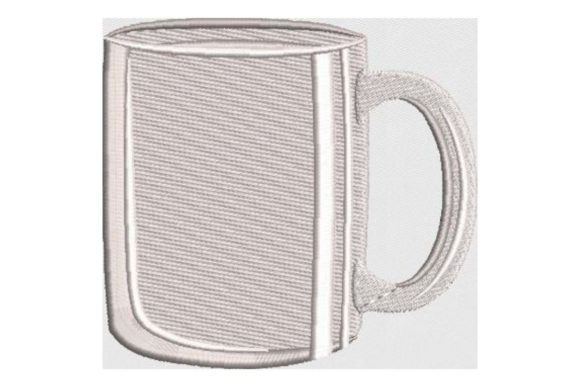
Coffee Mug Template: A Designer’s Practical Review
As an embroidery designer who has spent years digitizing patterns and reviewing countless machine embroidery design files, I have learned that the difference between a good product and a great one often lies in the details. When I first loaded the Coffee Mug Template into my software, I wasn’t just looking for a cute image. I was evaluating it for real-world application. Could this design hold up on a textured tote bag? Would it look professional on a boutique sweatshirt? This review breaks down the practical realities of using this file in your next embroidery project.
First Impressions and Visual Personality
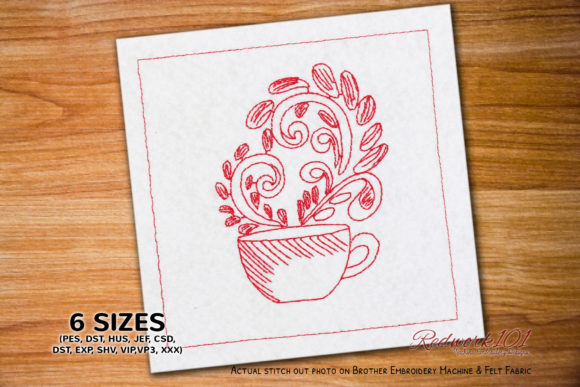
The immediate appeal of the Coffee Mug Template is its clean, recognizable silhouette. In the world of Embroidery, clarity is king. Complex designs often get lost in the fabric weave, but a strong outline ensures visibility from a distance. This design captures the cozy, warm mood associated with morning routines and café culture. It feels inviting without being overly cluttered.
For those of us in the craft business, visual personality matters. This template doesn’t scream for attention; it whispers comfort. That makes it versatile. It fits naturally into categories beyond just kitchenware. While the product description highlights its suitability for coffee lovers and kitchen accessories, I see potential in broader applications. The theme aligns well with the Tea category as well, offering a neutral ground for beverage-themed merchandise that appeals to a wide demographic.
Real-World Application Scenarios
Let’s move beyond theory and discuss where this design actually shines. I recently worked on a custom order for a local bookstore launching a line of branded merchandise. They needed something that felt handmade yet polished. We tested the Coffee Mug Template on canvas tote bags, and the result was excellent. The bold lines translated well onto the coarse weave of the canvas, creating a crisp tote bag design that customers loved.
However, the versatility extends further. Imagine this design centered on the chest of a heavyweight crewneck. As a sweatshirt embroidery piece, it adds a touch of whimsy to everyday wear. For custom apparel shops, this is a low-risk, high-reward addition. It is simple enough to stitch quickly, keeping production costs down, but distinctive enough to stand out in an Etsy seller’s shop.
I also considered its use in baby embroidery. A smaller version of this motif could work beautifully on a burp cloth or a onesie, perhaps paired with a playful phrase like "Fuel for Mom." The rounded edges of the mug shape are safe and soft, avoiding sharp points that might not translate well on delicate fabrics. For holiday seasons, this design serves as a perfect base for holiday embroidery gifts, easily adapted with red and green thread palettes for Christmas or pastel tones for spring.
Technical Considerations for Stitching
Every designer knows that a digital preview looks different than a stitched finished product. When working with the Coffee Mug Template, pay close attention to stitch density. If the design relies heavily on fill stitch areas, ensure your machine is calibrated correctly to prevent puckering, especially on thinner fabrics. A mix of satin stitch for outlines and lighter fill for the body of the mug often yields the best texture contrast.
One critical factor is the hoop size. Since this is a template, you must check the specific dimensions provided in the embroidery file package. If you are stitching on curved surfaces like caps, a smaller hoop adaptation might be necessary to maintain the design’s integrity. Always test on scrap fabric first. This allows you to adjust tension and see how the thread colors interact with your chosen material.
Speaking of materials, fabric texture plays a huge role. On smooth cotton or polyester blends, the design will look sharp and defined. On textured linen or terry cloth, some finer details might get lost. In such cases, consider using an applique design technique if the file supports it, or simplify the color palette to reduce visual noise. Using the right stabilizer is non-negotiable here. A cut-away stabilizer is often best for garments that will undergo frequent washing, ensuring the design remains stable over time.
Navigating Challenges and Limitations
While the Coffee Mug Template is robust, it is not without its challenges. Be cautious when using it on dark fabrics. If the design includes light-colored fills, you may need an underlay stitch or a white backing to prevent the fabric color from bleeding through and dulling the vibrancy. Test your thread colors against the fabric background before committing to a final product.
Additionally, consider the scale. Tiny lettering or intricate steam details can become problematic if scaled down too much for small items like embroidered patch projects. Always zoom in on your digitizing software to inspect small details. If the running stitch paths are too sparse, they may not cover the fabric adequately, leading to gaps in the final look.
For those selling digital embroidery file assets or design assets, transparency is key. Ensure you understand the licensing terms. Can you sell the stitched item? Can you resell the digital file? Most commercial licenses allow for the sale of physical handmade product items, but restrictions often apply to digital redistribution. Always verify this to protect your small shop product line and maintain professional integrity.
Enhancing Brand Value and Customer Trust
Ultimately, the goal of using a design like the Coffee Mug Template is to enhance the perceived value of your work. A well-executed embroidery piece signals quality. It shows that you care about precision, from the choice of thread colors to the neatness of the backside stitching. This attention to detail builds customer trust.
When creating printable mockup images for your online store, ensure the digital representation matches the physical reality. Use high-quality photos of the stitched item on various backgrounds. Show it on a cozy kitchen towel, a stylish apron, or a chic pillow cover. This helps buyers visualize the personalized gift potential of your work.
In conclusion, the Coffee Mug Template is a solid addition to any designer’s library. It offers flexibility across multiple product types, from commercial embroidery runs to one-off custom apparel pieces. By respecting the technical requirements of hoop size, stabilizer choice, and fabric compatibility, you can transform this simple digital file into a standout physical product. Whether you are an experienced Etsy seller or a hobbyist looking to upgrade your home decor, this design provides a reliable foundation for creative expression.
Remember to always check the specific file formats included in your purchase to ensure compatibility with your machine. With proper preparation and a keen eye for detail, this template can become a staple in your portfolio, driving engagement and sales through its timeless, comforting appeal.