Flying Honeybee Quick Stitch Review
As an embroidery designer who spends hours digitizing and testing files for commercial use, I am always on the lookout for designs that balance aesthetic charm with technical reliability. When I first encountered Flying Honeybee Quick Stitch on Creative Fabrica, it caught my eye not just for its subject matter, but for its promise of efficiency. In the world of custom apparel and handmade goods, time is money. A design that stitches out quickly while maintaining a professional finish is a rare find. This review explores whether this lovely flying bee embroidery lives up to its name and if it deserves a spot in your digital library for upcoming spring and summer projects.
First Impressions and Visual Appeal
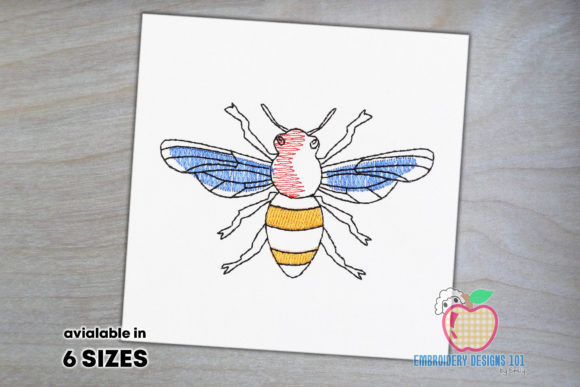
The initial visual impact of Flying Honeybee Quick Stitch is undeniably cheerful. It captures the whimsical energy of a bee in mid-flight, making it an ideal candidate for seasonal collections. The design leans into a playful aesthetic that fits perfectly within the Bugs category of embroidery motifs. What stands out immediately is the balance between detail and simplicity. It does not appear overly complex, which suggests a lower stitch count and faster run times. For designers creating products for Etsy or local craft fairs, this visual lightness is crucial. It allows the motif to sit comfortably on various items without overwhelming the base fabric.
The decorative appeal here is versatile. It feels native to spring and summer themes, yet its classic subject matter ensures it does not feel dated by the end of the season. Whether you are aiming for a rustic farmhouse vibe or a modern minimalist look, this bee can adapt depending on your thread color choices and placement.
Performance in Real-World Projects
To truly evaluate a machine embroidery design, one must imagine it on actual products. I considered how Flying Honeybee Quick Stitch would perform across several common handmade items. For custom apparel, such as a linen apron or a cotton tote bag, the design offers a charming focal point. On a tote bag design, it could be placed centrally for maximum visibility or tucked into a corner for a subtle accent. The "quick stitch" nature implies it will not add significant production time, which is vital for small business owners fulfilling multiple orders.
When thinking about sweatshirt embroidery, the design’s scale becomes important. If the file is sized appropriately, it can serve as a cute chest logo or a larger back piece. However, because it is described as perfect for embellishing unique gifts, I envision it working beautifully on smaller items like baby blankets or nursery decor. The gentle imagery aligns well with soft, comforting textiles. For those selling embroidered patches, this bee could be a standout seller, especially if paired with a floral background or simple text.
Kitchen towels and pillow covers also benefit from this type of motif. A single bee hovering near the hem of a tea towel adds a touch of personality that mass-produced items lack. This level of customization is what drives buyer trust and engagement for handmade shop owners. It transforms a basic household item into a personalized gift that feels thoughtful and curated.
Technical Considerations for Embroiderers
While the aesthetic is promising, practical execution requires attention to detail. Since the product description highlights it as a "quick stitch," I anticipate a design that relies on efficient stitch types. You might see a combination of satin stitch for the wings or body outlines and fill stitch for larger colored areas. However, without seeing the specific stitch count or density map, it is essential to approach new files with caution. Always test on scrap fabric before committing to your final material.
Stitch density is a critical factor. If the design is too dense, it can cause puckering, especially on lighter fabrics like cotton voile or thin linen. Conversely, if it is too sparse, the backing fabric might show through. Check the thread colors against your fabric choice. For dark fabric, you may need to adjust the underlay or use a lighter stabilizer to ensure the bee pops visually. For stretchy fabric, such as jersey knits used in t-shirts, proper stabilization is non-negotiable to prevent distortion during stitching.
Hoop size is another variable to verify. Ensure the design fits within your machine’s smallest hoop if you plan to do multiple items at once, or confirm it scales well for larger hoops if you want a statement piece. Curved surfaces, like caps, present their own challenges. If you intend to use this on headwear, check that the design does not have excessive height, which can cause needle breaks or thread bunching on the curved cap surface.
Enhancing Product Value and Brand Consistency
Incorporating high-quality design assets like Flying Honeybee Quick Stitch can significantly elevate your brand’s perceived value. Customers often judge the quality of a handmade product by its presentation. A clean, well-stitched embroidery signals professionalism. This bee motif can help establish brand consistency if you use it across a collection of spring items. It creates a cohesive look that customers recognize and trust.
Furthermore, the visual appeal of the finished product plays a huge role in product photography. A well-executed bee embroidery photographs beautifully, especially in natural light. This can boost customer engagement on social media and improve conversion rates on your online store. When buyers see a detailed, crisp image of the embroidered bee on a soft towel or a stylish sweatshirt, they are more likely to perceive it as a premium item worth the price.
Practical Tips Before You Stitch
Before downloading and using this Creative Fabrica embroidery file, take a few preparatory steps. First, review the file details on the product page. Confirm the available formats to ensure compatibility with your specific embroidery machine. Check the license terms to understand the scope of commercial use. While many Creative Fabrica products allow for the sale of finished physical items, it is always wise to double-check the current licensing agreement to protect your business.
Once you have the file, create a printable mockup to visualize the scale. Compare how it looks on light and dark backgrounds. Select your thread colors carefully; traditional yellow and black work well, but consider pastel threads for a softer, more modern take. Use the appropriate stabilizer for your fabric type—cut-away for stretchy materials and tear-away for stable wovens. After stitching, inspect the small details. Look for any loose threads or areas where the tension might need adjustment.
Ultimately, Flying Honeybee Quick Stitch appears to be a solid addition to any embroiderer’s toolkit. Its versatility across apparel, home decor, and gifts makes it a practical choice for diverse projects. By paying attention to technical details and leveraging its charming aesthetic, you can create stunning, marketable products that resonate with customers looking for unique, handmade quality.