Review: Ant Eating Watermelon Single Stitch for Etsy
As an embroidery seller who has spent years curating digital files for my small shop, I have learned that not every design deserves a spot in my commercial library. I look for versatility, stitch quality, and that elusive "wow" factor that stops a scroller on Etsy. Recently, I came across the Ant Eating Watermelon Single Stitch on Creative Fabrica, and it immediately caught my eye. This isn’t just another generic bug motif; it is a playful, minimalist line art piece that speaks directly to the current trend of whimsical, hand-drawn aesthetics in handmade products.
Why Minimalist Line Art Sells
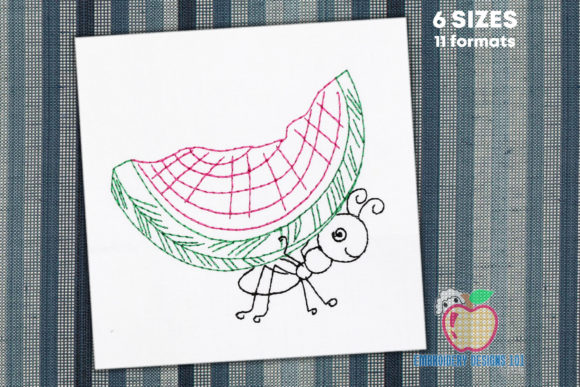
In the world of machine embroidery design, complexity often intimidates beginners, but simplicity can sometimes feel too plain. The Ant Eating Watermelon Single Stitch strikes a perfect balance. Described as a running line design, it offers a clean, modern look that feels both cute and sophisticated. For an Etsy seller, this visual personality is crucial. It does not scream "cheap novelty"; instead, it whispers "boutique charm."
This design fits seamlessly into several aesthetic categories. It is playful enough for children’s items yet minimal enough for adult home decor. Whether you are aiming for a rustic farmhouse vibe or a modern Scandinavian look, this single-stitch approach allows the fabric texture to shine through. When evaluating a digital embroidery file, I always ask myself: will this look good on a thumbnail? The bold, simple lines of this ant and watermelon motif ensure high readability even at small sizes, which is vital for mobile shoppers browsing handmade product listings.
Product Ideas for Your Small Shop
The true value of any Creative Fabrica embroidery asset lies in its application. Here is how I envision using this specific design to expand a craft business inventory:
- Tote Bag Design: A large-scale version of this design would look fantastic on canvas tote bags. The running stitch mimics hand stitching, adding an artisanal touch that customers love.
- Sweatshirt Embroidery: Place a small version on the left chest of a neutral-colored sweatshirt. It serves as a subtle, quirky detail that elevates basic custom apparel.
- Kitchen Towel Embroidery: Summer-themed kitchen linens are perennial bestsellers. This design pairs perfectly with red and green thread colors on white waffle weave towels.
- Baby Embroidery: For a softer approach, use pastel threads on muslin swaddles or bibs. The gentle lines are safe and appealing for nursery decor.
- Embroidered Patch: Create iron-on patches using felt backing. These can be sold individually or used to embellish denim jackets and hats.
Each of these applications leverages the design’s flexibility. Because it is a running line, it consumes less thread and stabilizer than dense satin stitches, making it cost-effective for small batch production. This efficiency is key for maintaining healthy margins in a commercial embroidery operation.
Enhancing Buyer Perception
When a customer lands on your product page, they are buying a feeling as much as an item. The Ant Eating Watermelon Single Stitch helps create a narrative of joy and simplicity. It makes a product feel more giftable because it is universally likable and not overly niche. A personalized gift featuring this motif feels thoughtful and unique, rather than mass-produced.
Furthermore, this design is incredibly photogenic. In an era where social media previews drive sales, having a design that looks crisp in photos is non-negotiable. The contrast between the thread and the fabric is sharp, allowing for stunning close-up shots that highlight the texture of the embroidery file execution. This visual appeal can significantly increase click-through rates on platforms like Etsy.
Practical Seller Notes and Technical Considerations
Before adding any new design to your lineup, due diligence is required. While the product description states that the Ant Eating Watermelon Single Stitch comes in multiple sizes, it is essential to verify the specific dimensions on the Creative Fabrica product page. Ensure that the largest size fits within your standard hoop capabilities, whether you are using a 4x4, 5x7, or larger frame.
Since this is a running stitch design, pay close attention to stitch density. Running stitches can sometimes pull on lightweight fabrics if not properly stabilized. I recommend testing the design on a scrap piece of your intended material—be it cotton, linen, or fleece—to check for puckering. Use an appropriate stabilizer to support the fabric without adding unnecessary bulk.
Thread color selection is also critical. For the watermelon, consider using variegated red thread to add depth, or stick to classic solid colors for a cleaner look. The ant should provide enough contrast to remain visible. Always do a test stitch-out to confirm that the line art remains clear and does not become lost in the fabric texture.
Additionally, review the licensing terms provided by the designer on Creative Fabrica. Most designers allow the sale of finished physical goods, but it is vital to confirm that you are compliant with their specific rules regarding commercial embroidery use. Never assume; always read the license included with the download.
Final Verdict for Creative Entrepreneurs
The Ant Eating Watermelon Single Stitch is a strong contender for any embroidery seller looking to add whimsical, seasonal, or everyday charm to their collection. It bridges the gap between cute and modern, offering versatility across various product types from tote bag design concepts to kitchen towel embroidery. Its simplicity reduces production time and material costs, while its visual appeal enhances marketability.
For those building a craft business around unique, handmade items, this design offers a low-risk, high-reward opportunity. It is easy to stitch, fun to photograph, and likely to resonate with buyers looking for cheerful, distinctive decor. As with any new addition, start with a small batch, gather customer feedback, and let the design’s popularity guide your future inventory decisions. Happy stitching!